Featured
Table of Contents
"Exactly how are you?" The solution to this inquiry is often much more challenging than the individual asking may understand. You might spout out a quick, "Fine, many thanks!" also when you know you're not. AdvertisementCleveland Center is a charitable academic clinical. Advertising and marketing on our website helps sustain our mission. We do not recommend non-Cleveland Facility service or products.
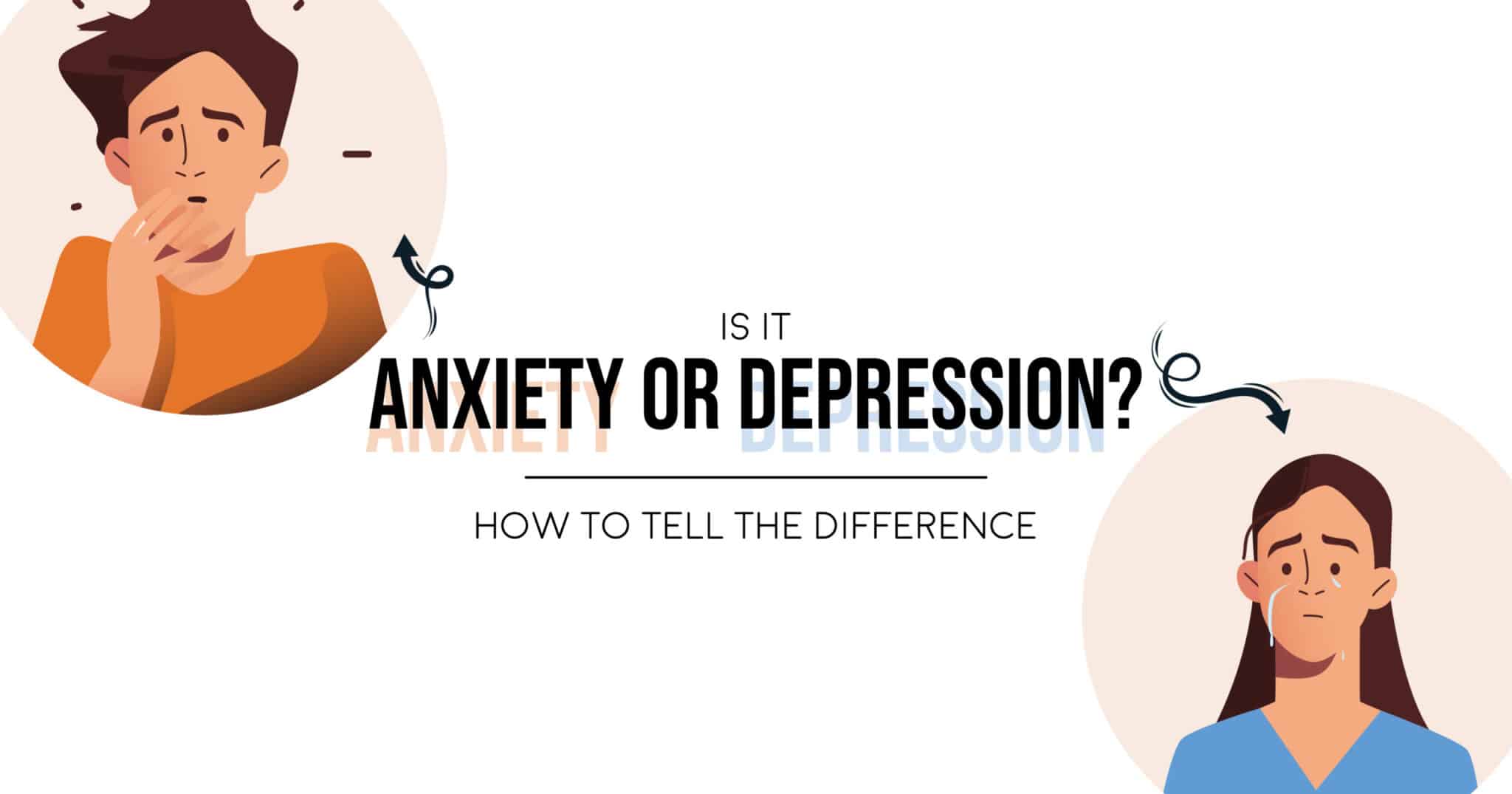
And while that makes these problems sound really different, they are more linked than they may seem. And they generally take place together. Psychiatrist Karen Jacobs, DO, gives us a review of what stress and anxiety and clinical depression are, just how they materialize in different ways, how they can be related and how to inform the distinction between the two.
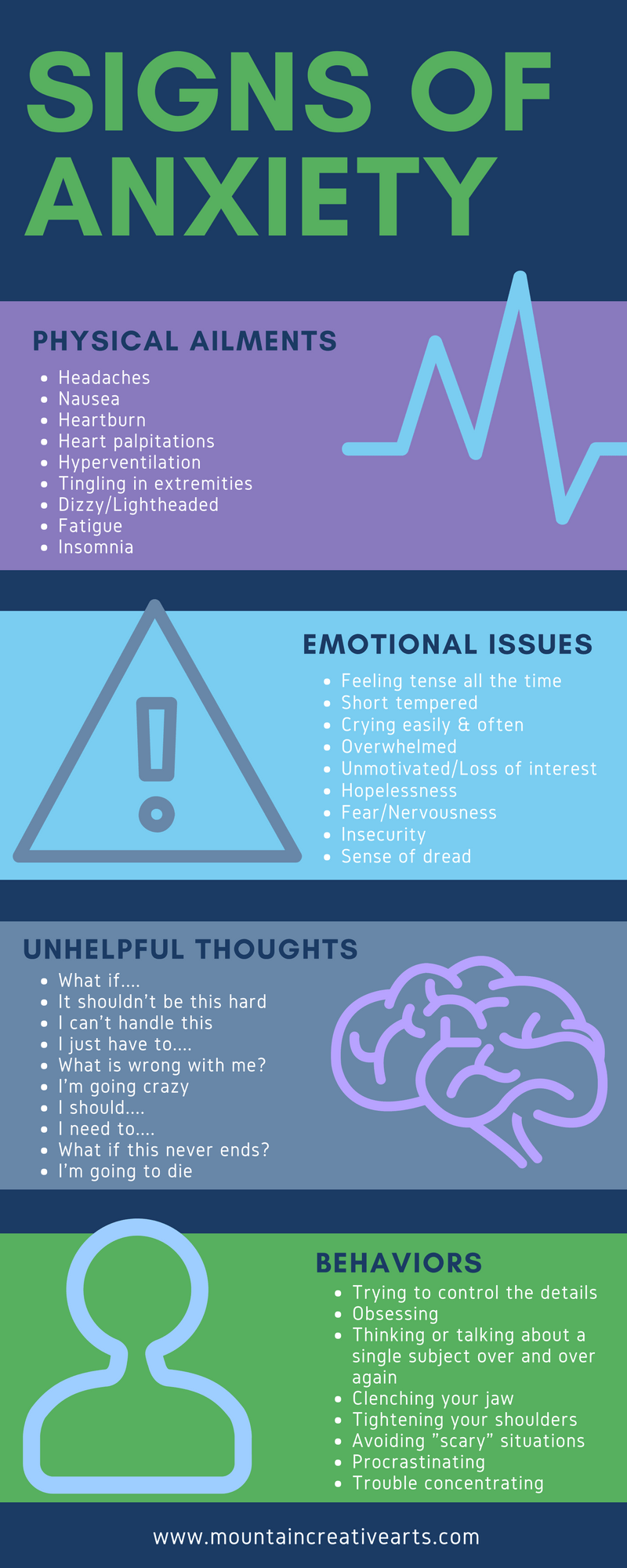
Stressing over situations or results. Indecision. Concern. Lack of ability to unwind. Feelings of uneasyness. Trouble focusing or physical agitation. Additionally, there's a wide variety of physical symptoms that can accompany anxiety, including: Muscle stress. Upper body tightness. Really feeling conveniently worn out or tired. Heart palpitations. Shortness of breath. A prolonged state of stress and anxiety, which regularly triggers your fight-or-flight reaction, can have significant effects on your health.
Finding Resilience in the Process of Therapeutic Work
Jacobs says it's so vital to look for treatment if you're experiencing these signs. An anxiety medical diagnosis goes far past just having cries. The huge difference between unhappiness and medical clinical depression is that, with unhappiness, the symptoms are not nearly as severe or relentless. In various other words, they do not hinder your capability to work on a day-to-day basis when you're simply sad or having a bad day.
Hallmark signs of anxiety include: Sensations of unhappiness and sadness. Loss of passion. Problem sleeping. Feeling exhausted. An adjustment in appetite. Inexplicable physical pain or aches. Seeming like little tasks take additional initiative. Having thoughts of self-harm or suicide. Feelings of insignificance and reduced self-esteem, and clinically depressed mood. Stress and anxiety and depression are both usual psychological health and wellness conditions that can impact your capacity to deal with your daily jobs and live your life totally.
Recognizing How Unresolved Trauma Manifests in Emotional Well-Being
Both anxiety and depression can create: Gastrointestinal troubles. Modifications in appetite or weight. Trouble resting. Problem focusing. Impatience and uneasyness. If you're experiencing any of these symptoms, it's essential to allow a healthcare provider understand. If you're experiencing modifications in your mood and you're trying to iron out whether it might be anxiety or anxiousness or both focus on your energy level and your attitude towards the future.
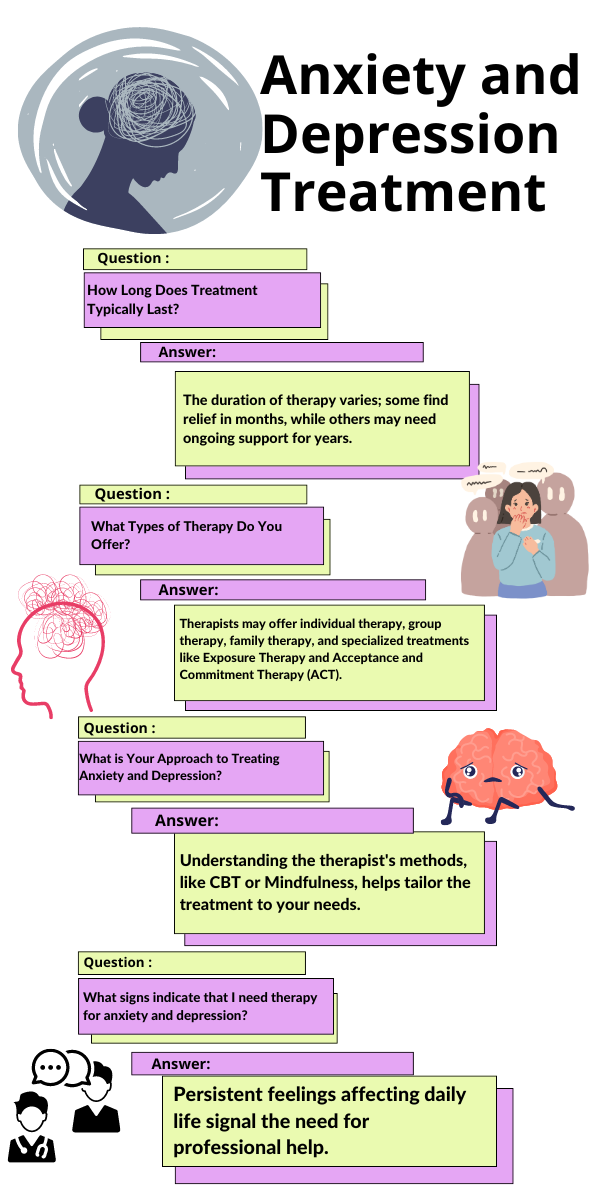
Stress and anxiety can cause you to really feel high-strung and energized, typically sustained by competing thoughts and fear. One more large distinction in between anxiety and clinical depression likewise comes in the treatment of each problem. It is necessary to talk to your therapist, psychiatrist or health care supplier to make certain you're obtaining the appropriate treatment.
Working Through Emotional Challenges Via Couples and Individual Therapy
We're trying to figure out which one occurred first, and after that if one caused the various other," describes Dr.
Why Relationship Therapy Addresses Communication Issues Through Trauma
When this happens, occurs can also be additionally greater risk for danger. In this circumstance, extensive therapy can be really helpful for handling clinical depression come with by distressed distress, so it's crucial to get to out for help. Whether they take place with each other or independently, depression and anxiousness are both treatable.
Stress and anxiety disorders usually go hand in hand with anxiety. Anxiousness and clinical depression are usually referred to togetherWith each other but however are not the sameExact same If you fall right into any of the categories talked about below, you might be more susceptible to anxiety or clinical depression(or both)contrasted to others: Ladies are a lot more most likely to be diagnosed with stress and anxiety problems compared to men.

Latest Posts
Physical Symptoms of Transgenerational Patterns With Therapy for Relationship Conflicts
Workplace Issues affecting International Professionals
Cultural Values in Immigrant Families