Featured
Table of Contents
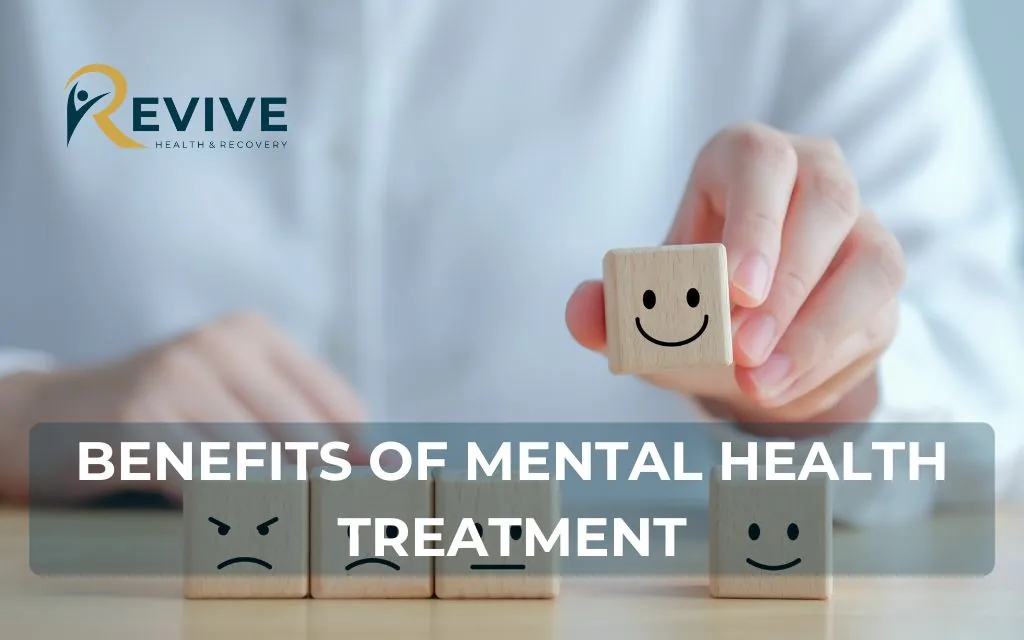
Just as you would certainly see a doctor for a physical wellness concern, seeking advice from a mental health and wellness professional for psychological or psychological difficulties is a smart, positive option. Past the study, therapy provides sensible advantages that prolong far past signs and symptom decrease.
A therapist assists you understand what you're feeling, providing assistance and understanding that can be basing, especially if you have actually been carrying things alone for a long period of time. When you remain in the middle of stress and anxiety or unpredictability, it can be difficult to see the full picture. Specialists bring an outside perspective that isn't formed by your past, your partnerships, or your expectations of yourself.
If you've made it this far and you're still asking yourself, "do I need treatment?" the answer is most likely of course. Also if you doubt, trying treatment doesn't dedicate you to anything irreversible. Think about it as an investment in yourself and your wellness. Starting treatment doesn't have to be frustrating or take months.
Your therapist assists you show, make links, and comprehend on your own with more clarity. Many sessions finish with a fast check-in to aid you really feel based and prepared for the week in advance.
Bipolar Life Management
Your therapist can likewise assist figure out which method fits ideal based on your goals and readiness. It's valuable to recognize the difference in between inpatient vs. property therapy, as well as inpatient treatment vs. outpatient care. Ideal treatment takes into account an adolescent's individual requirements and history, as well as their extent of their diagnosis.
Therefore, teens could obtain therapy initially in an inpatient psychological wellness system of a healthcare facility, transfer to a property setting, step down to an outpatient program, and after that obtain once a week treatment and/or go to assistance groups at a community teenager psychological university hospital. Provided all these options, it can be tough for moms and dads to identify the difference, let alone comprehend what their child requires to recover.
Addressing Mental Health Challenges
Within those groups are extra refined differences. Let's take a look at the difference between inpatient and property treatment, as well as inpatient vs. outpatient mental wellness programs. The main differences between inpatient vs. household treatment are where it happens, the size of stay, and the total therapy goals.
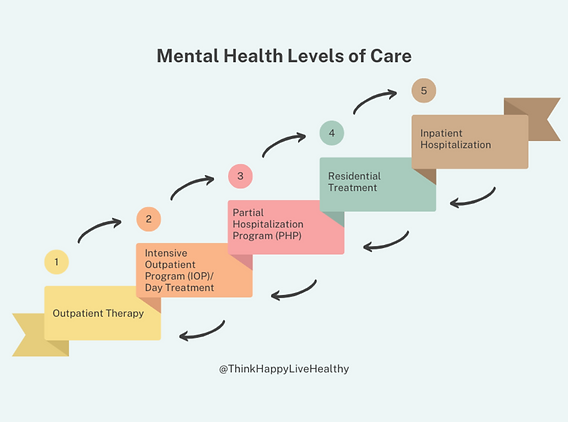
Commonly, inpatient therapy is for teenagers who are in the intense phase of a psychological health and wellness problem and need continuous assistance. Thirty days is typically the maximum time for inpatient teen mental health therapy.
Recovery Integrated Treatment
Typically, the goal of inpatient treatment is to support the individual and ensure they are not a risk to themselves or others. Complying with inpatient treatment, teenagers that need long-lasting treatment are typically moved to teen residential therapy, in some cases referred to as household inpatient therapy.
household therapy, it's useful to understand that household therapy concentrates on long-lasting recovery instead of dilemma management. Since teens stay for one to 3 months in property treatment, there is more time to deal with the source of psychological health and wellness and behavior problems. We know that connecting can be tough.
A household timetable for teens consists of clinical care, experiential activities, and academics. While in domestic therapy, clients stay in a comfy, homey setting and are monitored by skilled team. Team member consist of psychoanalysts, specialists, counselors, registered nurses, dietitians, and experiential treatment professionals. As we have actually seen, domestic treatment is usually the following action in a teen's recovery journey after inpatient care in a medical facility.
Fatherhood Care
It's hard for parents to send their kid far from home. Nonetheless, the long-term benefits of this option can be life changing. Research reveals that the structure and continuous assistance of a property program is one of the most effective way to achieve lasting healing from clinical depression, stress and anxiety, trauma, and co-occurring behavioral problems like chemical abuse and self-harm.
When researching psychological health choices, it's all-natural to begin the search close to home. The ideal psychological health treatment for a person's specific diagnosis and needs may not be readily available locally. As an outcome of the existing scarcity of psychological wellness carriers and therapy programs, the probability is that the best program will not remain in your instant location.
Systematic Facing Therapy within Evidence-Based Bipolar Disorder
Within those categories are more refined differences. Allow's take an appearance at the difference between inpatient and property treatment, as well as inpatient vs. outpatient psychological health programs. The main distinctions between inpatient vs. residential treatment are where it takes place, the length of stay, and the overall treatment goals.
Typically, inpatient treatment is for teenagers that are in the acute stage of a psychological wellness condition and require constant assistance. Thirty days is typically the maximum time for inpatient teenager mental health and wellness therapy.
Normally, the goal of inpatient treatment is to stabilize the individual and ensure they are not a risk to themselves or others. Following inpatient therapy, adolescents who need long-lasting treatment are frequently moved to teen household treatment, in some cases referred to as domestic inpatient therapy.
household therapy, it's practical to recognize that domestic therapy focuses on long-lasting healing instead of crisis administration. Due to the fact that teenagers stay for one to 3 months in household care, there is even more time to address the root causes of mental health and behavioral concerns. We understand that connecting can be difficult.
Mood Stability Through Individual Therapy
While in property treatment, customers live in a comfy, homelike setup and are managed by trained staff. Staff participants consist of psychiatrists, therapists, therapists, nurses, dietitians, and experiential treatment practitioners.
It's hard for parents to send their youngster away from home. Nonetheless, the long-lasting benefits of this choice can be life altering. Research study shows that the framework and ongoing support of a residential program is the most efficient way to achieve long-lasting recuperation from anxiety, anxiousness, injury, and co-occurring behavioral concerns like chemical abuse and self-harm.
When looking into psychological wellness options, it's natural to start the search close to home. The ideal psychological health and wellness therapy for a person's certain diagnosis and needs might not be offered in your area.

Latest Posts
Gentle Self-Regard for High-Achievers
How EMDR Treats Generational Wounds
Clinical Foundations of Eye Movement Desensitization and Reprocessing